
 |
| Figure 1: Test-equipment requirements for PCIe 3.0 |
Showing posts with label BER. Show all posts
Showing posts with label BER. Show all posts
17 January 2018
A Tour of a PCIe 3.0 Test Setup

01 March 2016
What Is An Optical Modulation Analyzer?
 |
| Figure 1: A representative block diagram of a coherent transmitter and receiver |
12 August 2015
Test Challenges for PAM4 Signals
 |
| The major test challenges posed by PAM4 signals |
12 March 2015
The History of Jitter (Part II)
 |
| Figure 1: An example of using histograms to plot the statistical distribution of edge arrival times |
05 March 2015
The History of Jitter
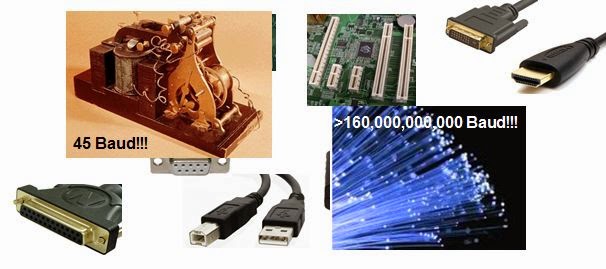 |
| Figure 1: The story of jitter spans 45-baud telegraph machines to 160-Gbaud optical fiber |
26 January 2015
Plan For Successful USB Compliance Testing (Part II)
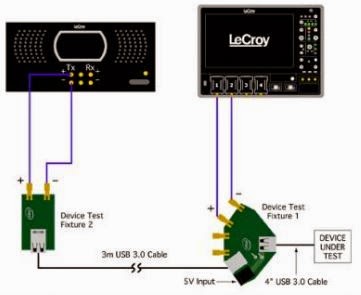 |
| Figure 1: A representative transmitter compliance test setup |
10 November 2014
PCIe 3.0 Dynamic Link EQ: De-Emphasis, Preshoot, Cursors, and Presets
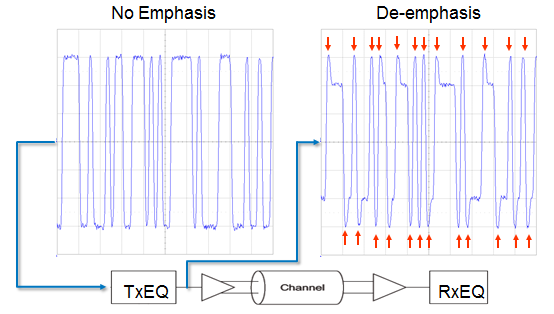 |
| Figure 1: De-emphasis, a key transmit-side equalization technique for PCIe 3.0, boosts high-frequency content |
06 November 2014
The Hows and Whys of PCIe 3.0 Dynamic Link Equalization
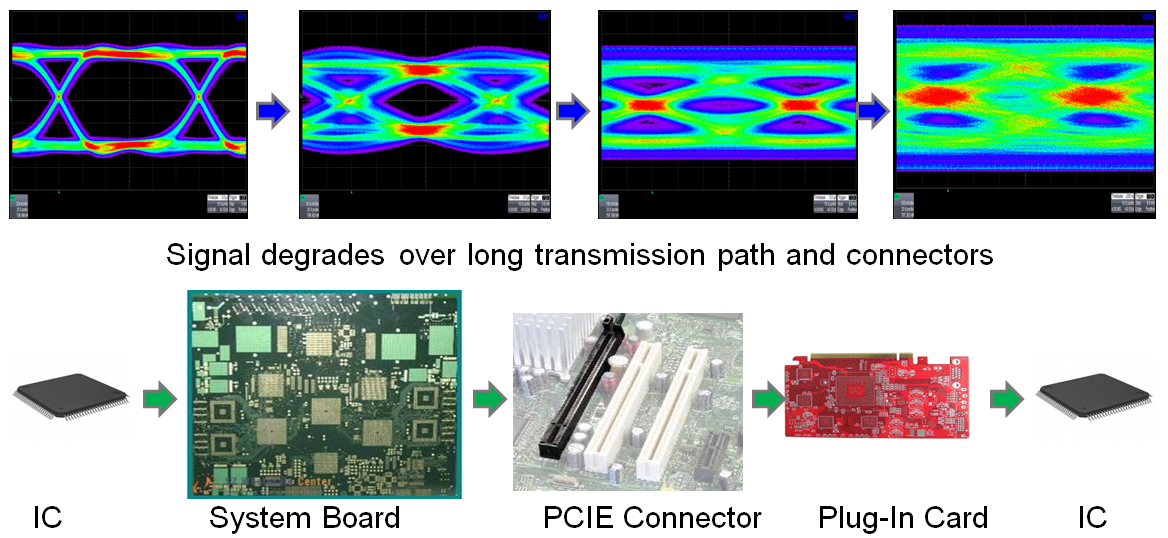 |
| Figure 1: SI problems are the root cause for dynamic link equalization in PCIe 3.0 |
05 March 2014
Measuring Time-Interval Error in Serial Data Waveforms
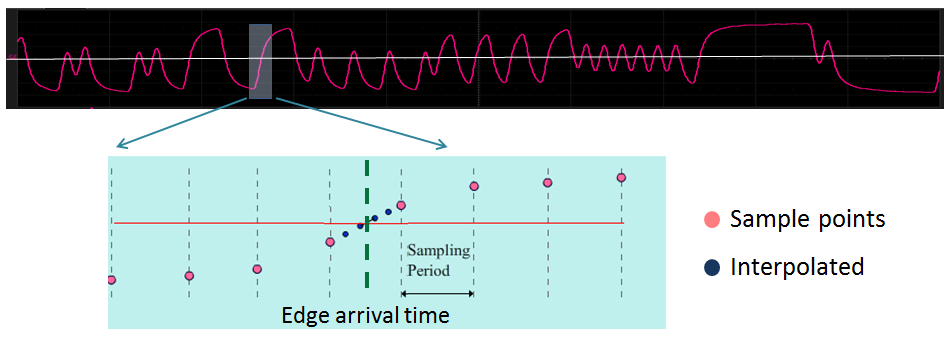 |
| Figure 1: The first step in quantifying jitter is to determine measured times of arrival for bit transitions |
05 February 2014
Why Should You Measure Jitter?
 |
| Figure 1: Designing a serial-data channel with first-pass success means analysis and mitigation of jitter sources |
Subscribe to:
Posts (Atom)