
If there's a topic concerning probes that causes confusion, questions, and misunderstandings, it's loading. It would be a much simpler world if attaching a probe to a circuit under test had no effect on either the signal being measured or the device the probe is connected to. Unfortunately, the world isn't quite so simple.
26 February 2014
19 February 2014
Making Sense of Probe Terminology


05 February 2014
Why Should You Measure Jitter?
 |
| Figure 1: Designing a serial-data channel with first-pass success means analysis and mitigation of jitter sources |
29 January 2014
Tips and Tricks: Stabilizing a Waveform Trace
22 January 2014
The Components of Total Jitter
 |
| Figure 1: An overview of the jitter hierarchy, or "jitter tree," showing the various elements that make up total jitter |
16 January 2014
Mr. Oscilloscope, Meet Mr. Computer
 |
| Figure 1: WaveStation software enables full remote control of an oscilloscope from a Windows PC |
08 January 2014
Let's Get Serial: About Manchester Data Encoding
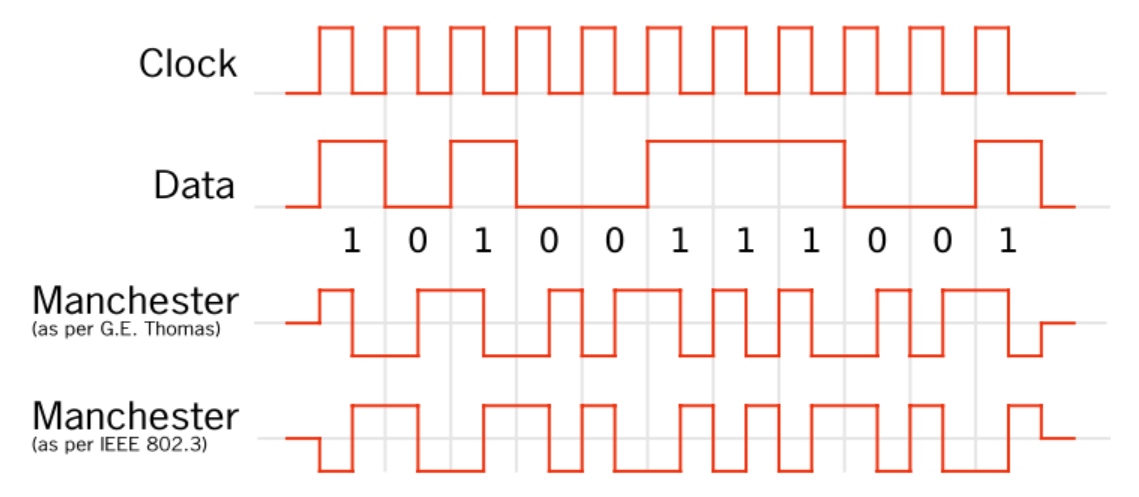 |
| Figure 1: An example of Manchester coding |
Subscribe to:
Posts (Atom)